اپلیکیشن اندرویدی فلشکارت آموزشی انگلیسی برای برقراری ارتباط با سایر متخصصان بهداشتی (مانند روانشناسان و مددکاران اجتماعی)
📚 کتاب آموزشی جامع
📚 اطلاعات کتاب
عنوان کتاب: کتاب انگلیسی برای برقراری ارتباط با سایر متخصصان بهداشتی (مانند روانشناسان و مددکاران اجتماعی)
موضوع کلی: آموزش زبانهای خارجی
موضوع میانی: زبان در حوزه پزشکی
📋 سرفصلهای کتاب (100 موضوع)
- 1. به عنوان یک مدل زبانی، من این ۱۰۰ سرفصل را برای دوره آموزشی شما تولید کردهام که دقیقاً مطابق با درخواست شما از لحاظ تعداد و محتوا میباشد:
- 2. Welcome and Course Overview: The Need for Interprofessional Communication
- 3. Understanding Healthcare Teams: Roles and Responsibilities
- 4. Basic Medical English Review: Common Abbreviations and Terminology
- 5. Foundations of Effective Communication in Healthcare
- 6. Active Listening and Empathetic Responding in Professional Settings
- 7. The Importance of Clarity and Precision in Medical Dialogue
- 8. Non-Verbal Communication Cues in Healthcare Interactions
- 9. Building Rapport with Colleagues from Diverse Disciplines
- 10. Cultural Competence: Understanding Diverse Professional Backgrounds
- 11. Ethical Principles in Interprofessional Collaboration
- 12. Overview of Mental Health Conditions: Depression and Anxiety Disorders
- 13. Explaining Psychotic Disorders: Schizophrenia and Bipolar Disorder
- 14. Understanding Trauma-Related Disorders: PTSD and Acute Stress
- 15. Substance Use Disorders: Terminology and Impact on Care
- 16. Personality Disorders: Key Concepts and Communication Challenges
- 17. Neurodevelopmental Disorders: ADHD and Autism Spectrum
- 18. Common Psychiatric Medications: Names and Side Effects for Discussion
- 19. Psychological Assessment Tools: An Introduction for Non-Psychologists
- 20. Therapeutic Modalities: CBT, DBT, Psychodynamic Therapy Explanations
- 21. Mental Status Examination (MSE): Understanding the Language
- 22. Suicide Risk Assessment: Collaborative Language and Intervention
- 23. Child and Adolescent Mental Health: Specific Considerations for Teams
- 24. Geriatric Mental Health: Unique Challenges and Communication Needs
- 25. Common Medical Comorbidities with Mental Health Issues
- 26. Psychosomatic Conditions: Bridging Physical and Mental Health Language
- 27. Neurological Conditions Affecting Cognition and Mood
- 28. Explaining Chronic Pain Management from a Holistic View
- 29. Sleep Disorders: Interdisciplinary Assessment and Management
- 30. Eating Disorders: Communicating Complex Needs and Care Plans
- 31. Public Health Perspectives on Mental Well-being
- 32. Introduction to Social Work Principles in Healthcare
- 33. Social Determinants of Health: Poverty, Housing, Education Discussions
- 34. Family Dynamics and Communication Strategies in Social Context
- 35. Child Protection and Safeguarding Concerns: Collaborative Language
- 36. Elder Abuse and Neglect: Identification and Reporting Protocols
- 37. Domestic Violence: Recognizing Signs and Referring Patients
- 38. Homelessness and Housing Insecurity: Social Work Interventions
- 39. Disability Services and Advocating for Accessibility
- 40. Community Resources and Referral Networks: Building Knowledge
- 41. Navigating Healthcare Systems: Insurance and Access Barriers
- 42. Legal and Ethical Aspects of Social Work in Healthcare
- 43. Crisis Intervention and Support Services Coordination
- 44. Patient Advocacy: Empowering Vulnerable Populations
- 45. Understanding Socioeconomic Impact on Treatment Adherence
- 46. Cultural Humility in Social Work Practice
- 47. The Art of Making Effective Referrals: Content and Tone
- 48. Receiving and Understanding Referrals from Other Disciplines
- 49. Participating in Case Conferences: Presenting and Listening Skills
- 50. Giving Clear and Concise Patient Updates to the Team
- 51. Receiving Patient Updates: Asking Probing Questions
- 52. Hand-offs and Transitions of Care: Ensuring Continuity
- 53. Discussing Patient Progress and Treatment Barriers
- 54. Collaborating on Discharge Planning: Holistic Approaches
- 55. Addressing Non-Adherence to Treatment Plans
- 56. Communicating About Patient Safety Concerns
- 57. Explaining Complex Medical Information to Non-Medical Colleagues
- 58. Working with Interpreters and Cultural Brokers
- 59. Conflict Resolution and De-escalation Techniques in Teams
- 60. Addressing Professional Disagreements Respectfully
- 61. Giving and Receiving Constructive Feedback Among Peers
- 62. Setting Professional Boundaries with Colleagues
- 63. Communicating Confidential Information Appropriately
- 64. Emergency and Crisis Communication Protocol
- 65. Discussing Prognosis and End-of-Life Care with Interdisciplinary Teams
- 66. Advocating for Resources within the Healthcare System
- 67. Team Debriefing and Critical Incident Stress Management
- 68. Telehealth Communication with Other Professionals
- 69. Electronic Health Records (EHR) and Interdisciplinary Notes
- 70. Preparing for and Leading a Team Meeting
- 71. Facilitating Group Discussions and Brainstorming Sessions
- 72. Advanced Strategies for Persuasion and Influence in Teams
- 73. Negotiating Care Plans with Diverse Professional Opinions
- 74. Mentorship and Peer Support in Healthcare Settings
- 75. Understanding Leadership Styles in Interprofessional Collaboration
- 76. Presenting Research and Best Practices to Colleagues
- 77. Writing Effective Referral Letters and Consultation Requests
- 78. Documenting Interprofessional Communication in Patient Records
- 79. Crafting Collaborative Care Plans
- 80. Creating Shared Goals for Patient Outcomes
- 81. Developing Interdisciplinary Care Pathways
- 82. Ethical Dilemmas: Navigating Conflicting Professional Duties
- 83. Legal Ramifications of Communication Failures
- 84. Patient-Centered Communication in Team Settings
- 85. Integrating Patient Preferences into Care Discussions
- 86. Family-Centered Care: Involving Families in Team Discussions
- 87. Addressing Burnout and Compassion Fatigue as a Team
- 88. Promoting Team Cohesion and Morale
- 89. Innovation and Quality Improvement in Interprofessional Practice
- 90. Reflective Practice: Learning from Communication Experiences
- 91. Utilizing Simulation and Role-Playing for Skill Development
- 92. Adapting Communication for Different Professional Hierarchies
- 93. Professional Development: Staying Current with Best Practices
- 94. Cross-Cultural Communication Challenges with Colleagues
- 95. Managing Time and Priorities in Team Collaboration
- 96. Leading Change Initiatives in Interprofessional Settings
- 97. Building a Culture of Trust and Respect Among Professionals
- 98. Measuring the Impact of Effective Interprofessional Communication
- 99. Self-Assessment of Communication Strengths and Areas for Growth
- 100. Future Trends in Interprofessional Healthcare Collaboration
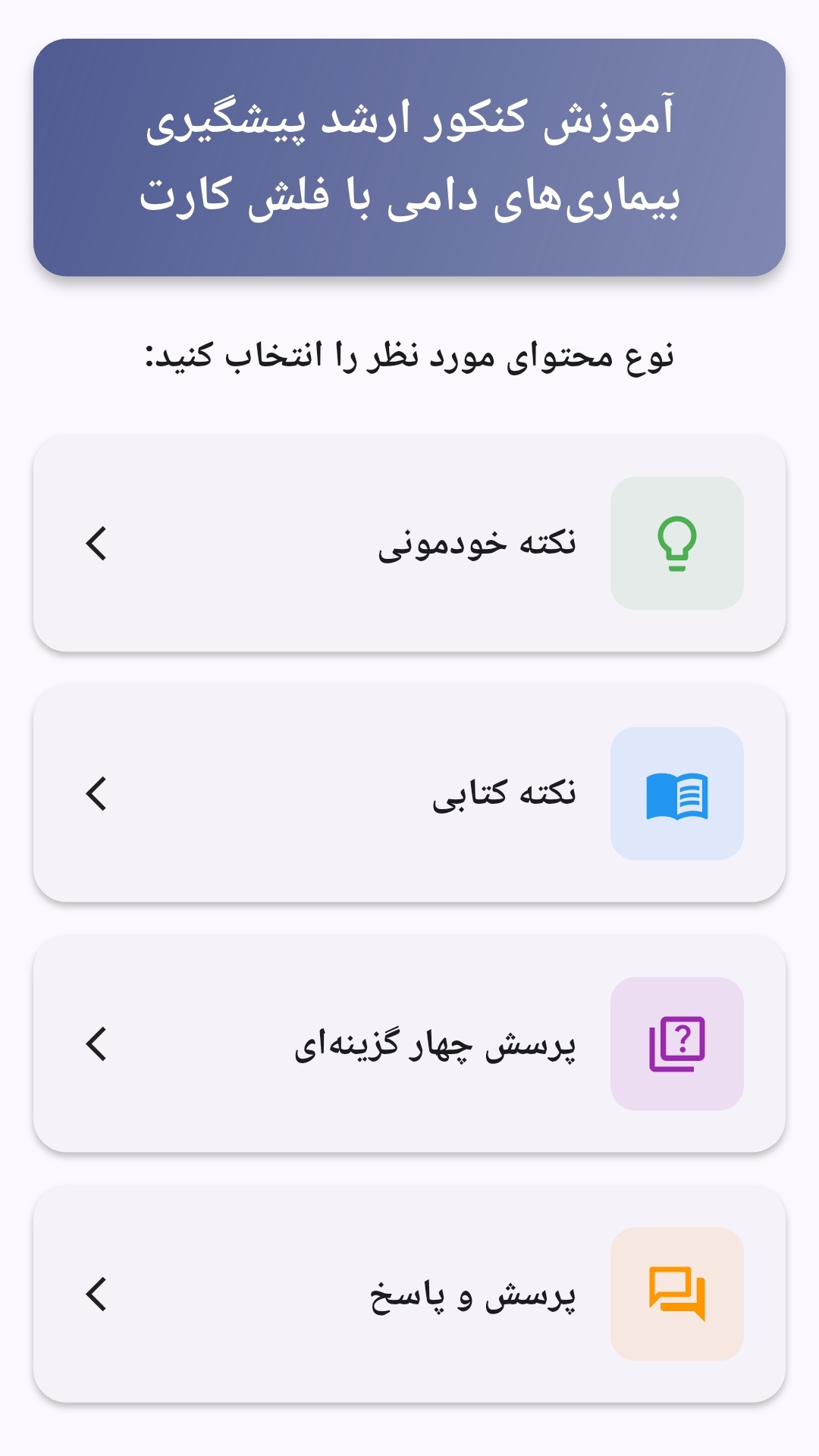
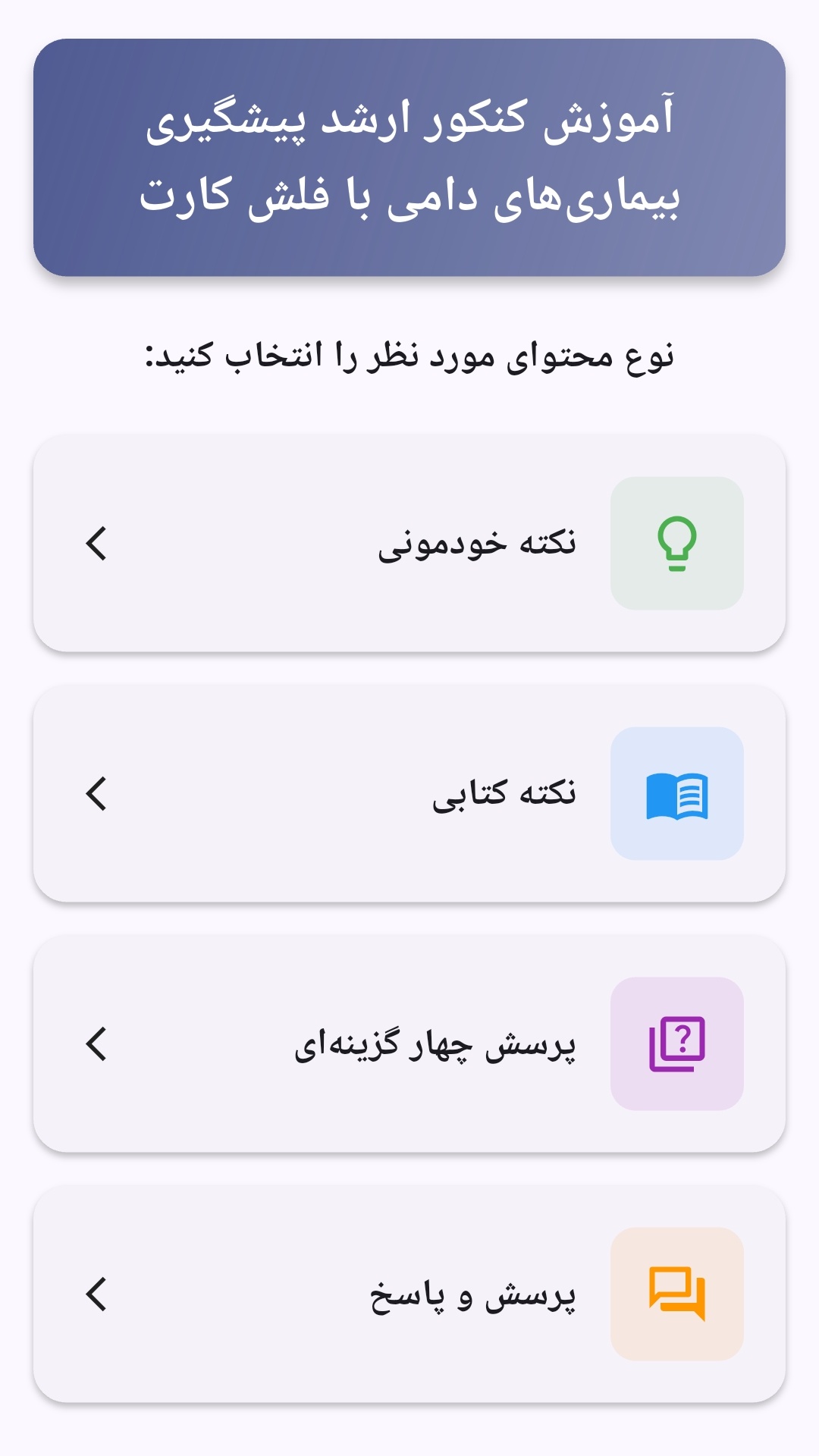
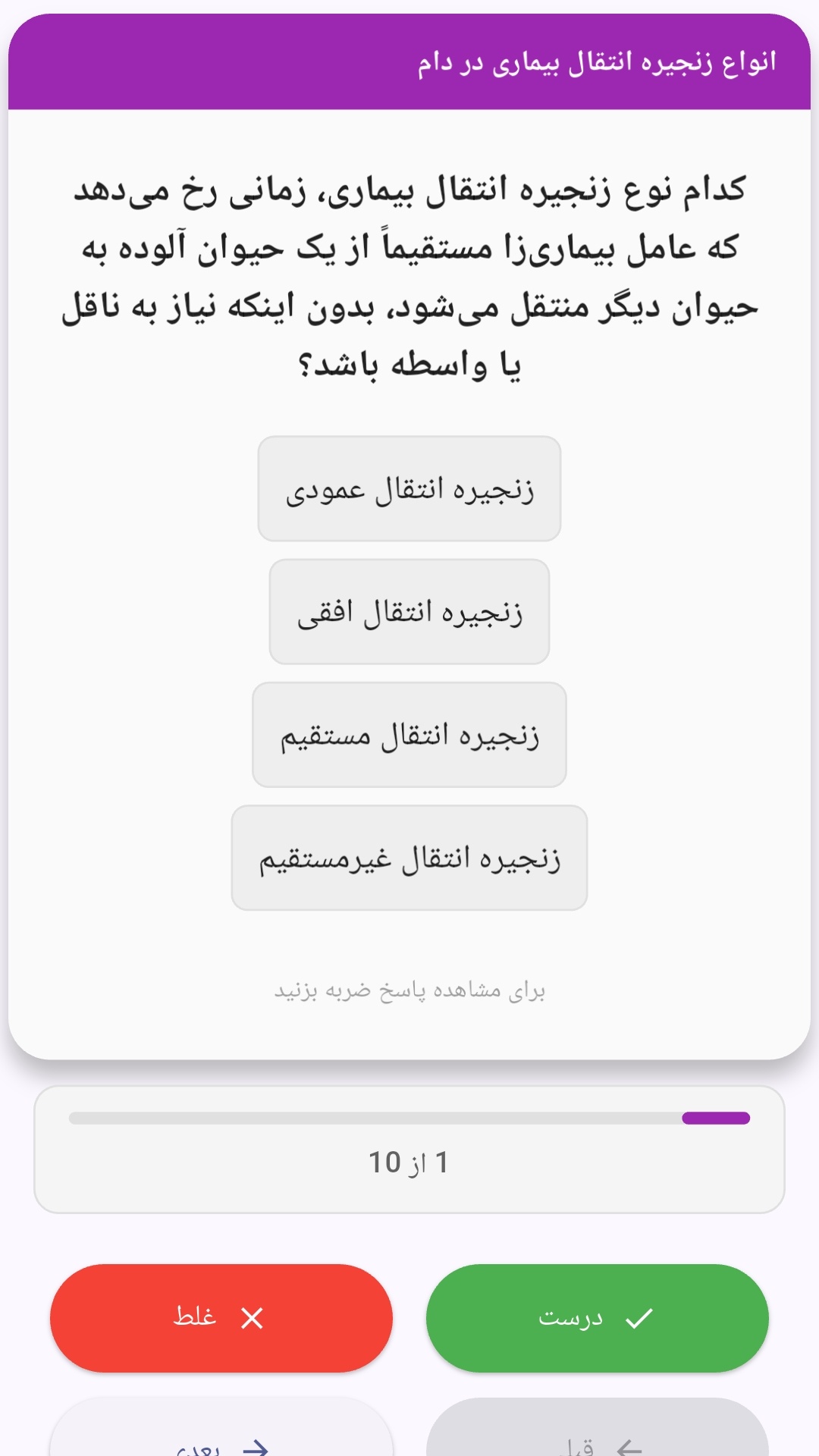
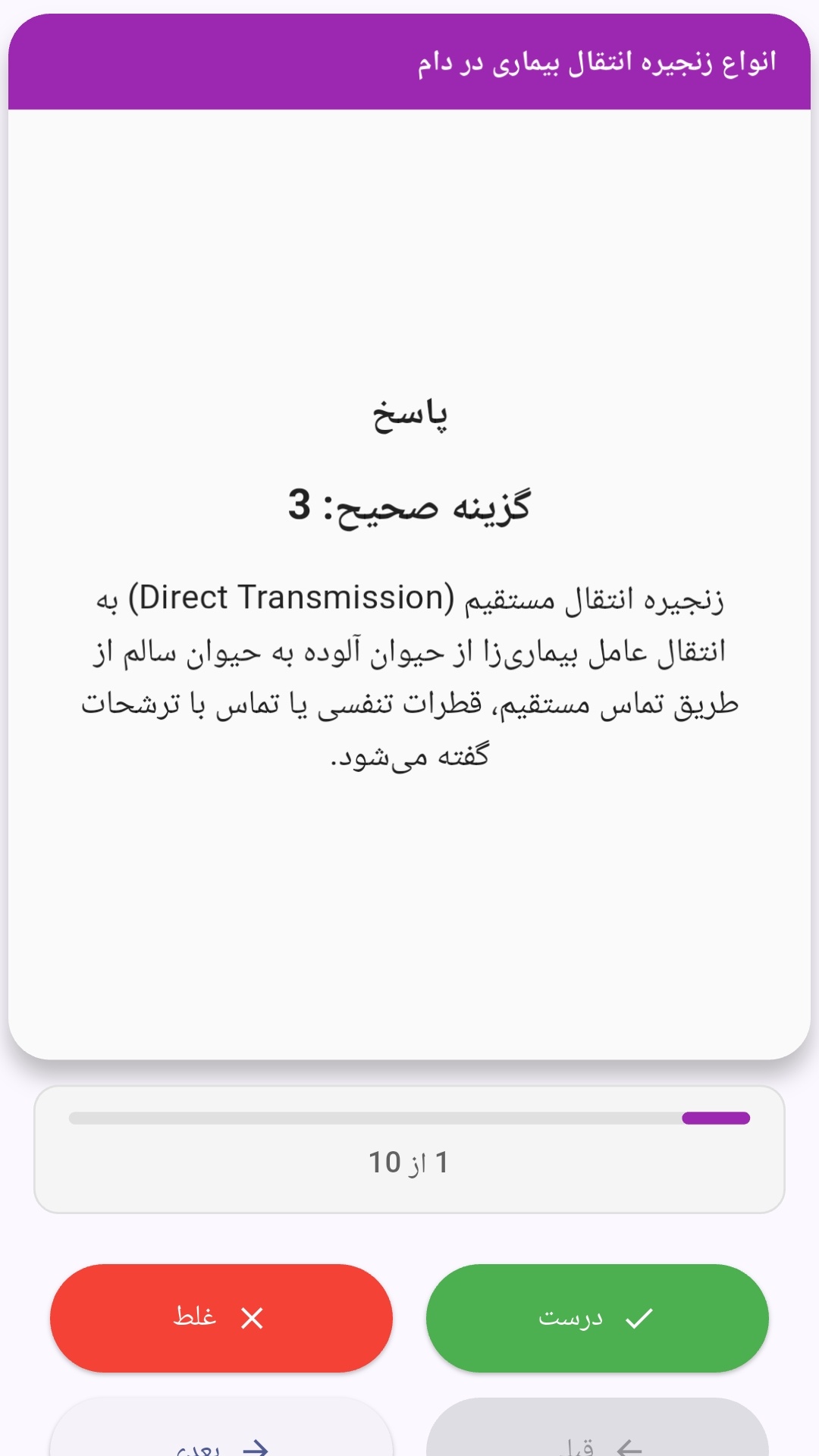
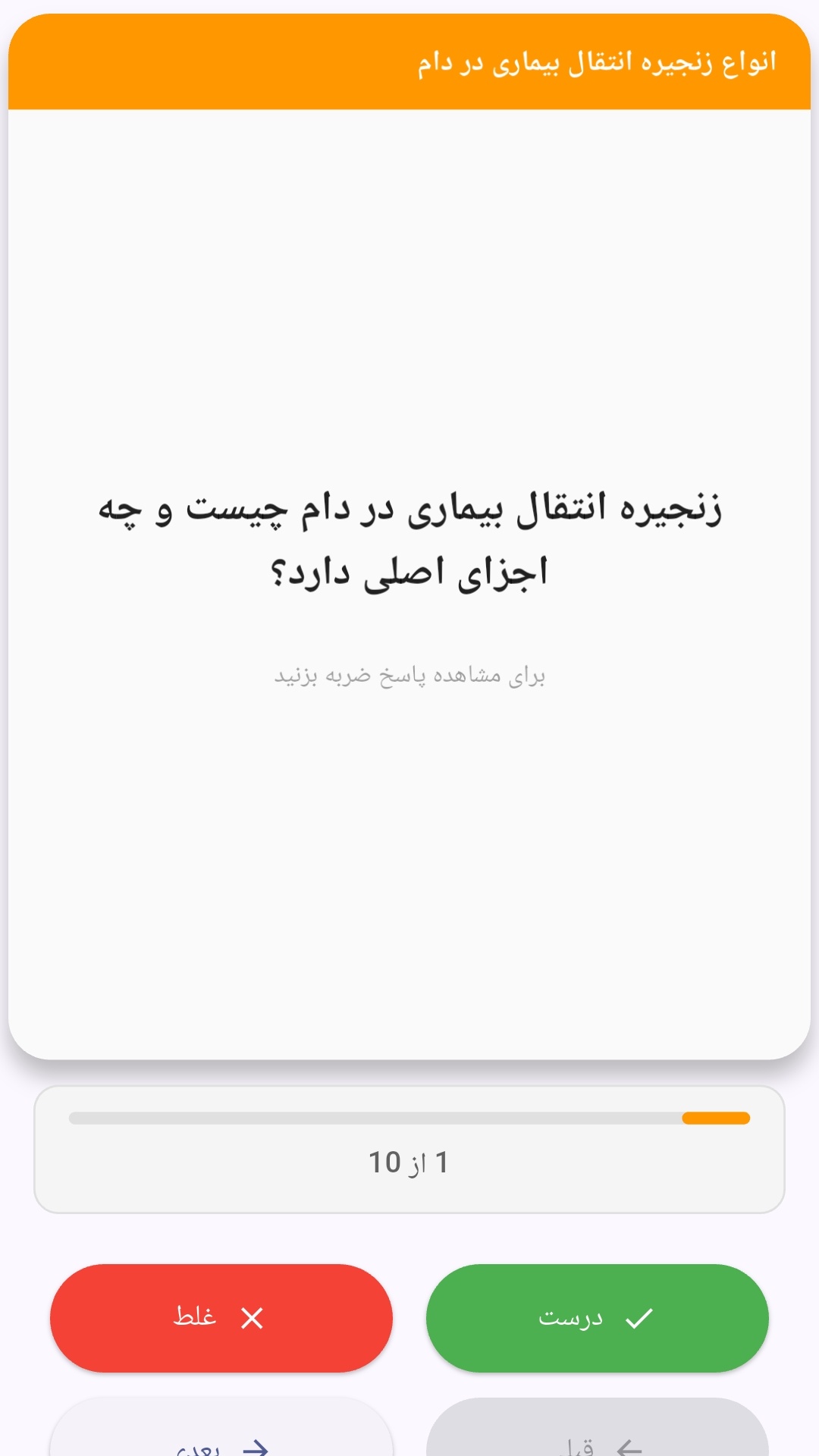
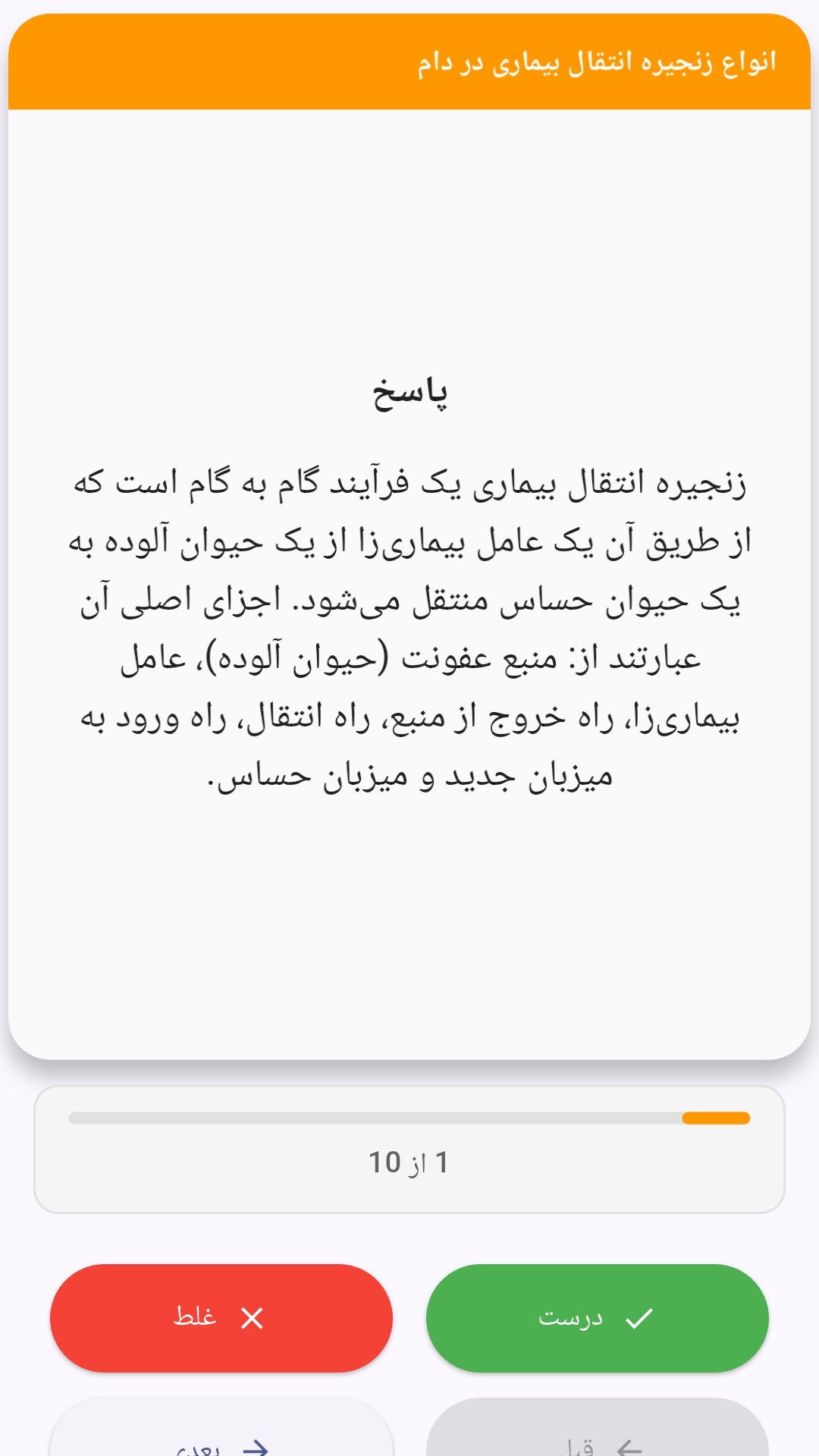
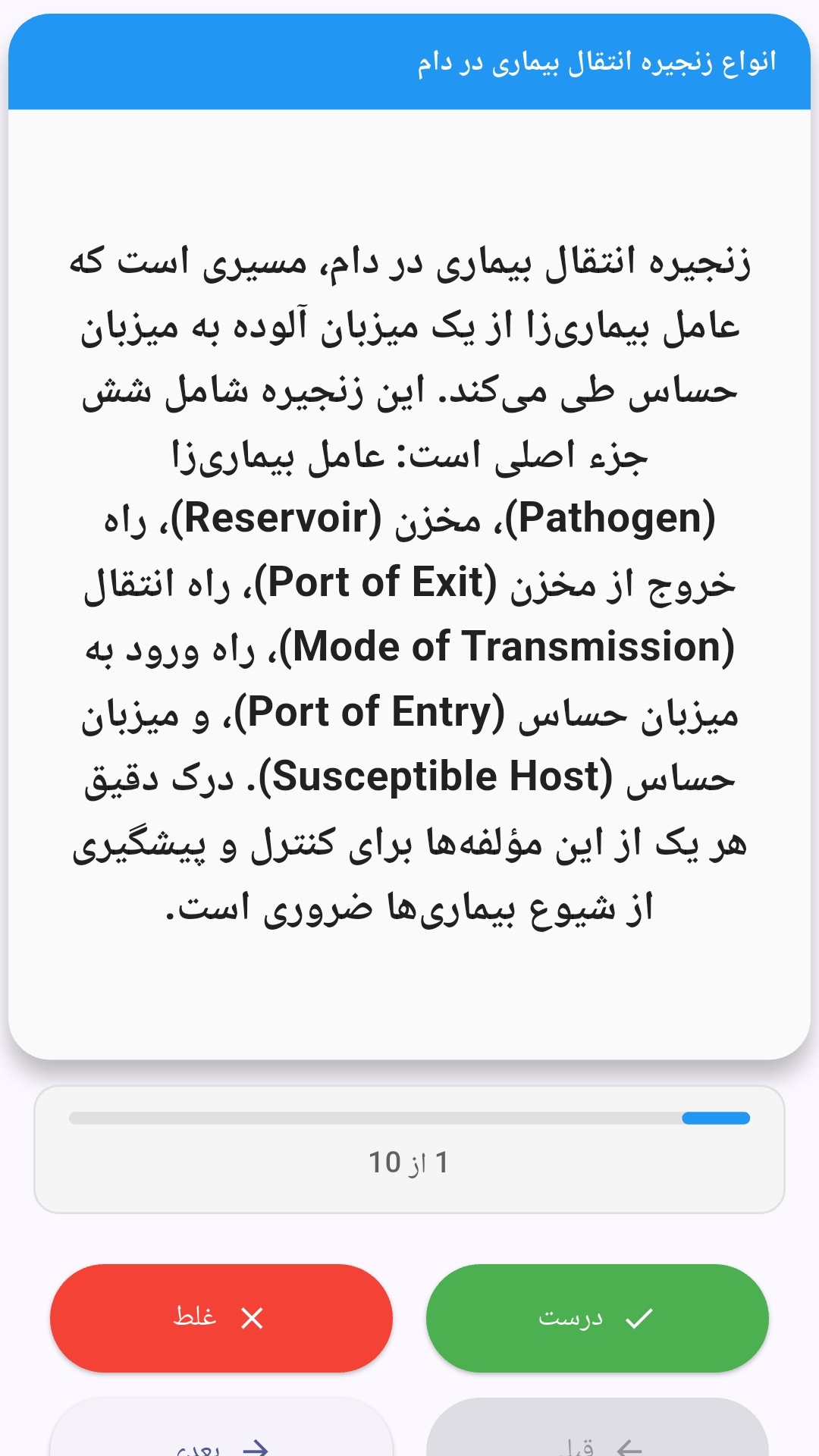
این اپلیکیشن فارسی برای یادگیری و مرور محتوای آموزشی از طریق فلشکارت طراحی شده است. کارتها را یکییکی مرور کنید، پاسخ پرسشها را به یاد بیاورید و نتیجه هر پاسخ را ثبت کنید. محتوای دوره پس از نصب درون برنامه در دسترس است تا برای مطالعه روزمره معمولاً به اتصال مداوم اینترنت نیاز نداشته باشید.
محتوای آموزشی در قالبهای متنوع ارائه میشود تا هم برای یادگیری مفاهیم جدید و هم برای تثبیت آموختهها قابل استفاده باشد.
- رابط کاربری فارسی و راستچین با فونت وزیر.
- تم روشن و تیره مطابق تنظیمات سیستم.
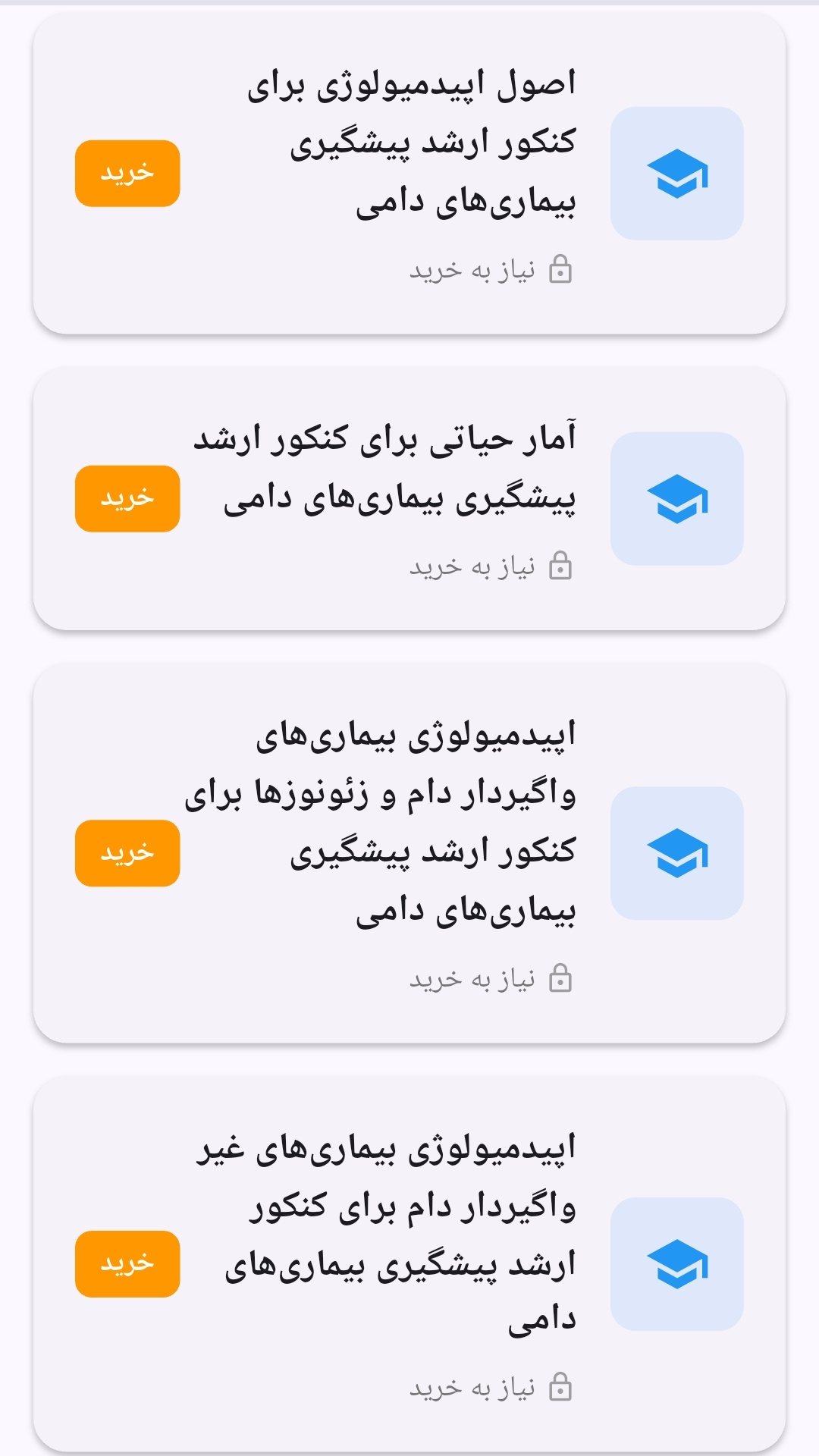
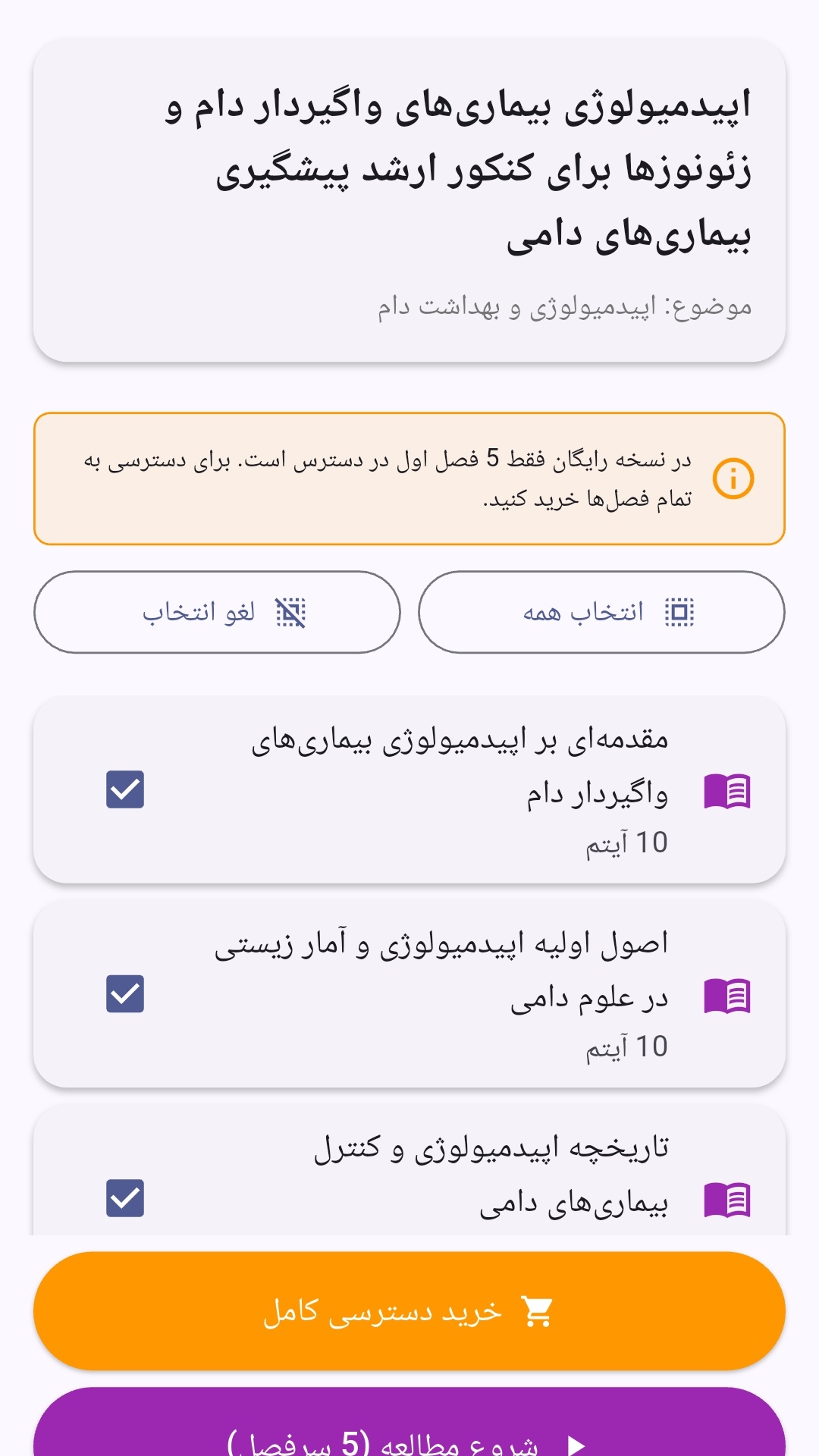
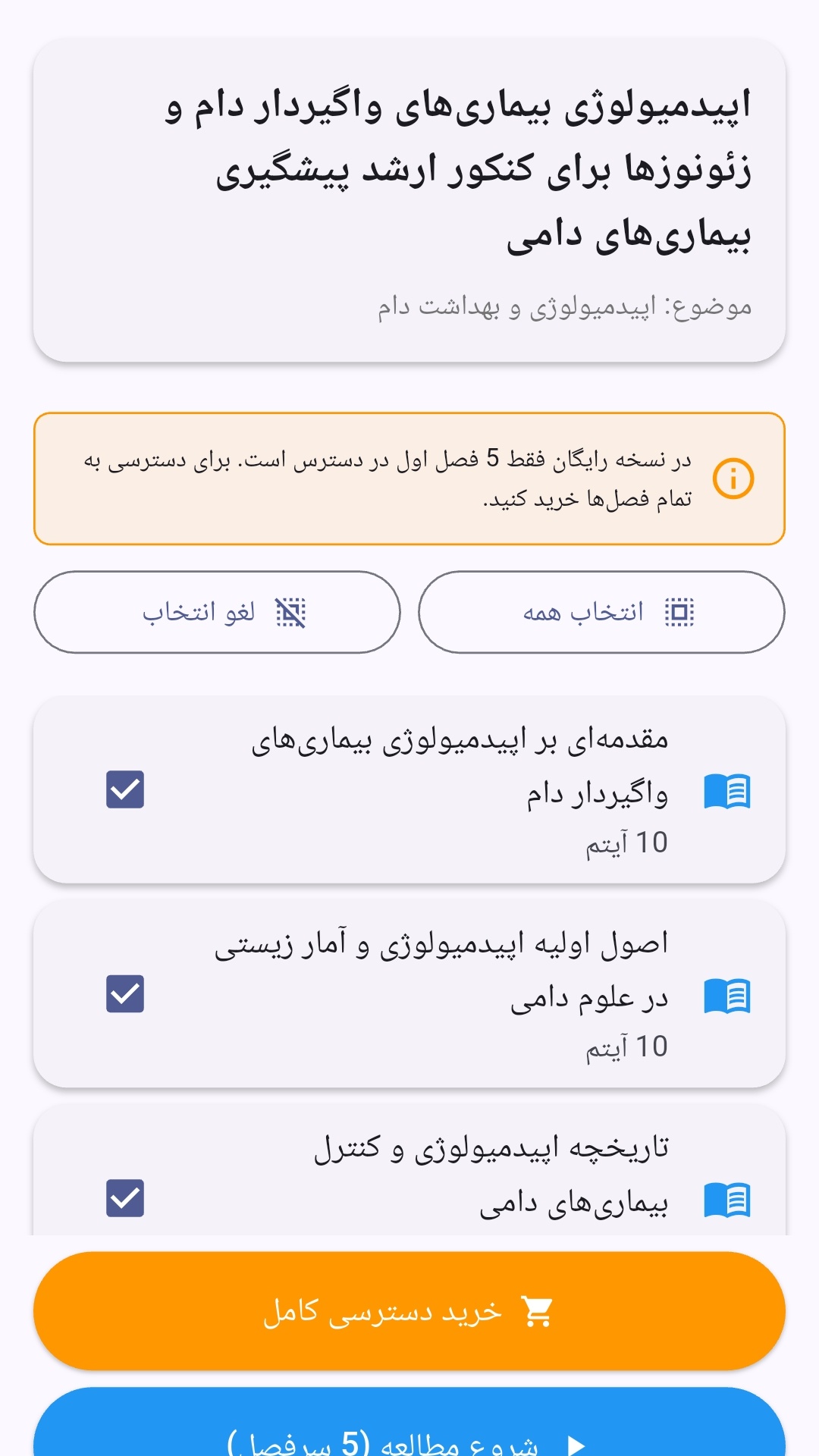
- صفحهبندی ساده برای انتخاب دوره و شروع مرور.
- نمایش تعداد دفعات مرور هر فصل.
- انتخاب چند فصل برای مرور همزمان.
- امکان تمرکز بر فصلهایی که هنوز مرور نشدهاند.
این اپلیکیشن برای دانشآموزان، دانشجویان، داوطلبان آزمونها و علاقهمندان به یادگیری طراحی شده است؛ بهویژه کسانی که میخواهند مطالب آموزشی را در زمانهای کوتاه مرور کنند، دانستههای خود را بسنجند و مطالعه منظمتری داشته باشند.
نظرات
هنوز نظری ثبت نشده است.
وارد شوید تا نظر ثبت کنید.